How to Make a Daily Schedule That Works for ADHD (Without It Falling Apart by Noon)
Learning how to make a daily schedule that works for ADHD is not about trying harder or being more disciplined. You’ve probably…
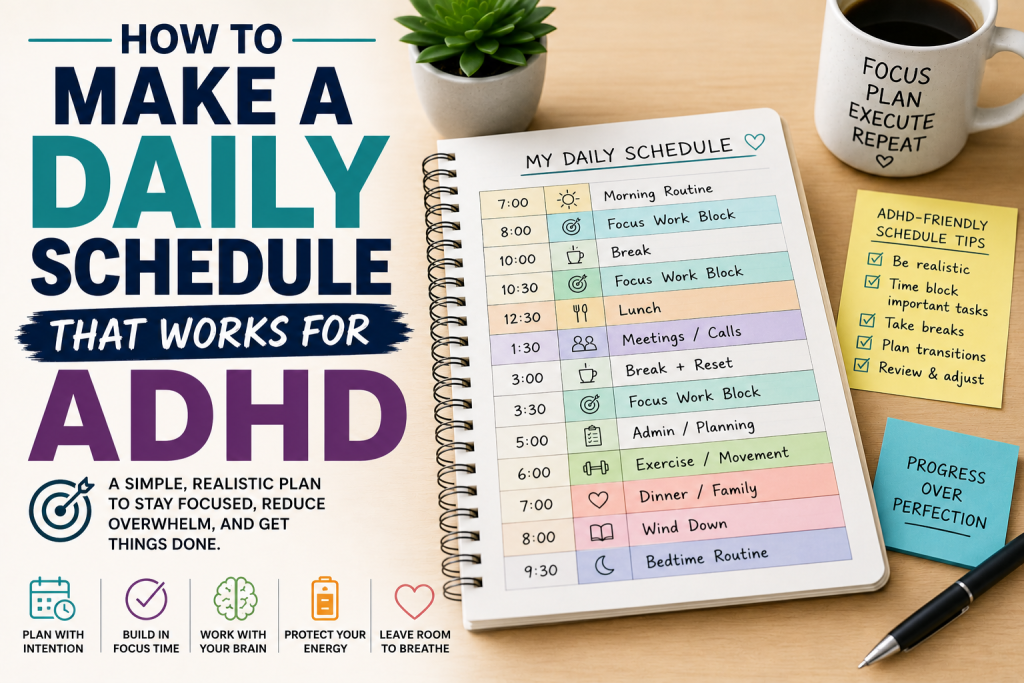
Learning how to make a daily schedule that works for ADHD is not about trying harder or being more disciplined.
You’ve probably built a beautiful schedule before. Color-coded, time-blocked, maybe even laminated. And then, you ignored it by 10 a.m. This isn’t a willpower problem. It’s a brain wiring problem.
This isn’t a willpower problem. It’s a brain wiring problem. The ADHD brain struggles with time blindness, transition resistance, and the overwhelming pressure that comes with rigid structure. A traditional schedule built for neurotypical people will almost always fail someone with ADHD, not because you’re not trying hard enough, but because the schedule itself wasn’t designed for how your brain actually works.
A daily schedule can work for you. It just needs to be built differently. Not tighter, smarter. This guide walks you through exactly how to build a daily schedule that works for ADHD, step by step, using strategies that actually match how your brain functions. Let’s build something that sticks.
Why This Matters for ADHD
Traditional schedules assume you can start and stop tasks on command, transition smoothly between activities, and remember what’s next without a prompt. ADHD makes all three of those things genuinely difficult.
Time blindness means your brain doesn’t feel time passing the way others do. Transition resistance means switching from one task to another feels almost physically painful. Working memory gaps mean what you planned at 8 a.m. is gone by 11 a.m.
A daily schedule that works for ADHD has to account for all of this. It needs built-in flexibility, sensory cues, buffer time, and an honest understanding of your energy patterns. When you get that right, a schedule stops being a cage and starts being a launchpad.
How to Make a Daily Schedule That Works for ADHD: 9 Steps
Step 1: Start With Your Energy Map, Not a Time Grid
Before you write a single task into your schedule, you need to know when your brain actually shows up.
Most people with ADHD have a predictable energy pattern, a window of 2 to 4 hours where focus and motivation are highest. For many, this is mid-morning. For others, it’s late at night. The biggest scheduling mistake is ignoring this and forcing deep work into a low-energy window.
Spend three days tracking how you feel every two hours: sharp and focused, neutral, or foggy and avoidant. Once you see the pattern, build your most demanding tasks around your peak window and save lighter tasks such as emails, errands, and admin for later.
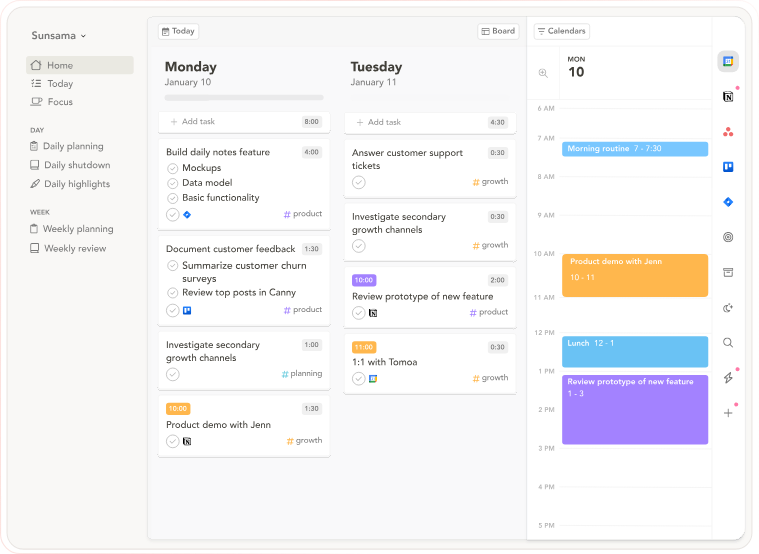
Sunsama is one of the best tools for this. It’s a daily planning app built around intentional, energy-aware scheduling rather than a rigid clock.
Step 2: Use Time Blocks, Not Time Slots
There’s a critical difference between “10:00 – 10:30: Write report” and “Morning block: deep work.” The first approach sets you up to fail. The second gives you room to move.
Time slots feel like deadlines and trigger avoidance. Time blocks give you ownership of a chunk of the day without the panic of a ticking clock. Structure your day into three to four large blocks:
- Morning Block — Deep work or high-priority tasks
- Midday Block — Meetings, calls, lower-stakes tasks
- Afternoon Block — Creative or routine work
- Evening Block — Wind-down, planning tomorrow, personal time
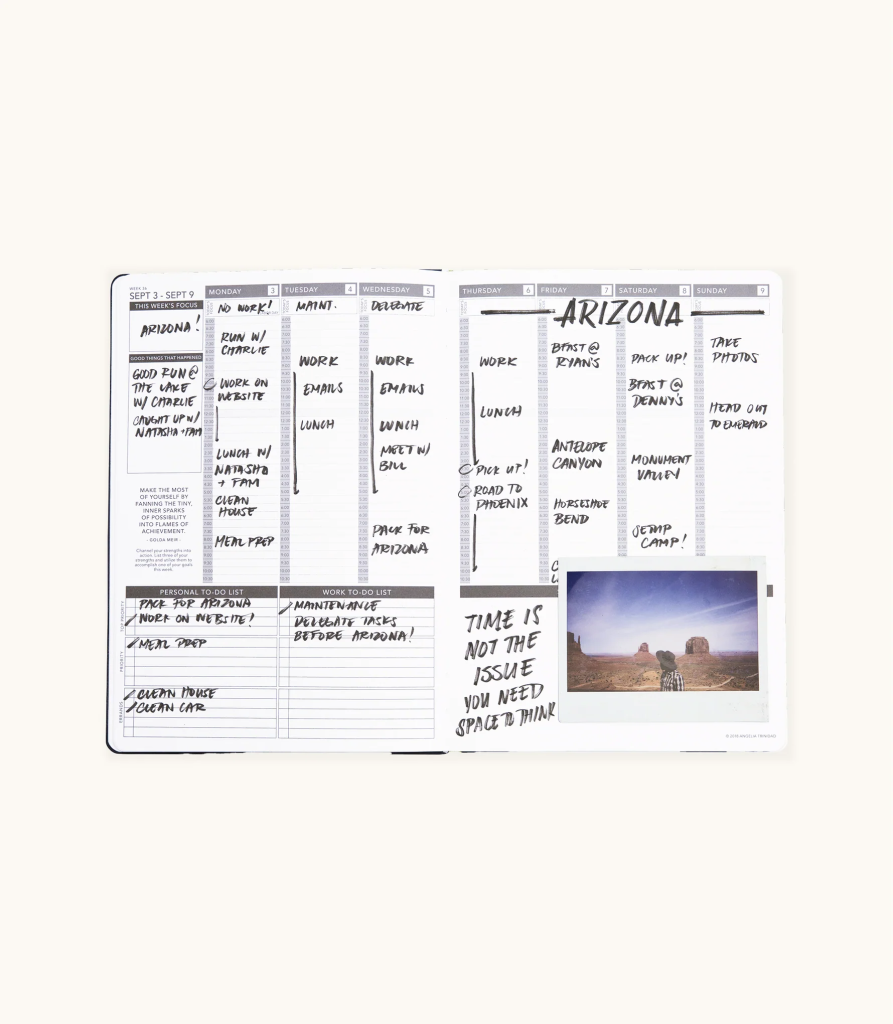
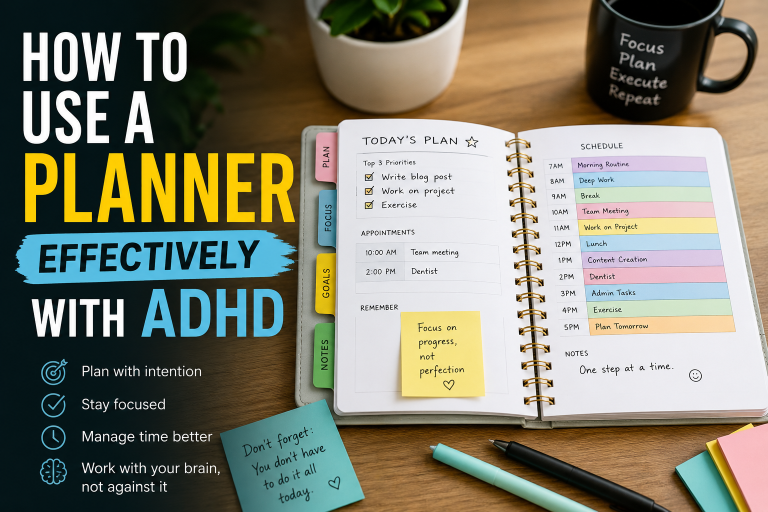
If you prefer planning on paper, the Passion Planner is one of the most ADHD-friendly physical planners out there. It uses large, open weekly blocks instead of tiny 30-minute slots, which makes it far less overwhelming to fill in.
Step 3: Build In Transition Time (This Is Non-Negotiable)
If your schedule has back-to-back tasks with zero breathing room, it will collapse. Transitions are where ADHD schedules go to die.
Give yourself 10 to 15 minutes between every major block. Not as wasted time, as intentional reset time. Use it to move your body, grab water, do a quick brain dump, or just sit. This prevents the cascade failure that happens when one task runs over and derails the rest of your day.
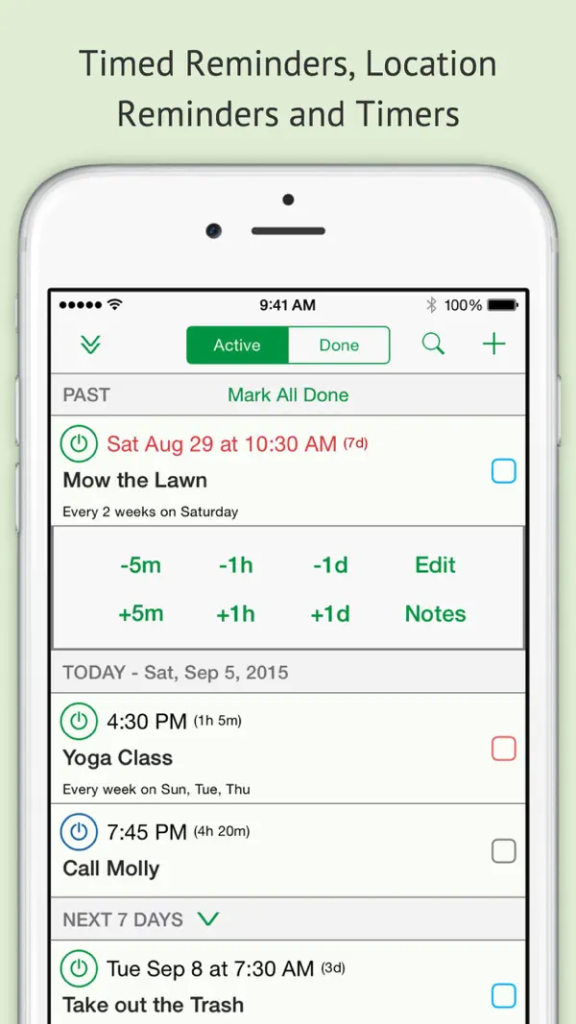
To make transitions automatic, use the Alarmed – Reminders + Nagging Alerts app. It’s designed to persistently alert you until you actually acknowledge the reminder — perfect for a brain that tunes out a single ping.
Think of transitions as the load-bearing walls of your schedule. Remove them and the whole structure falls.
Step 4: Shrink Your Task List Ruthlessly
A to-do list with 20 items is not a plan, it’s a source of paralysis. The ADHD brain looks at a long list and shuts down completely.
Pick a maximum of three priority tasks for the day. Just three. Everything else goes on a “waiting list” that you pull from only if the big three are done. This isn’t low ambition, it’s strategic. Finishing three meaningful tasks beats half-starting twelve every single time.
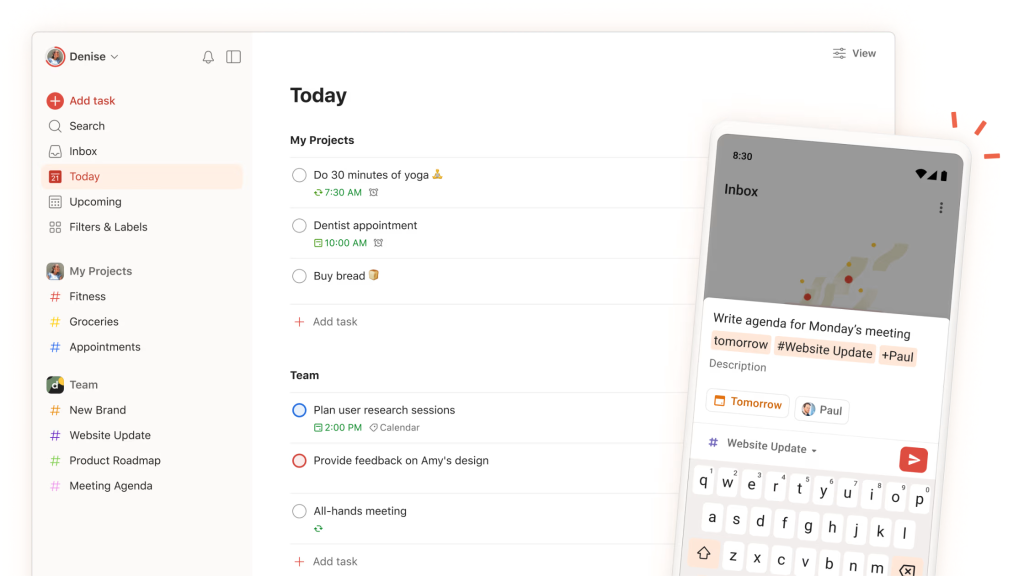
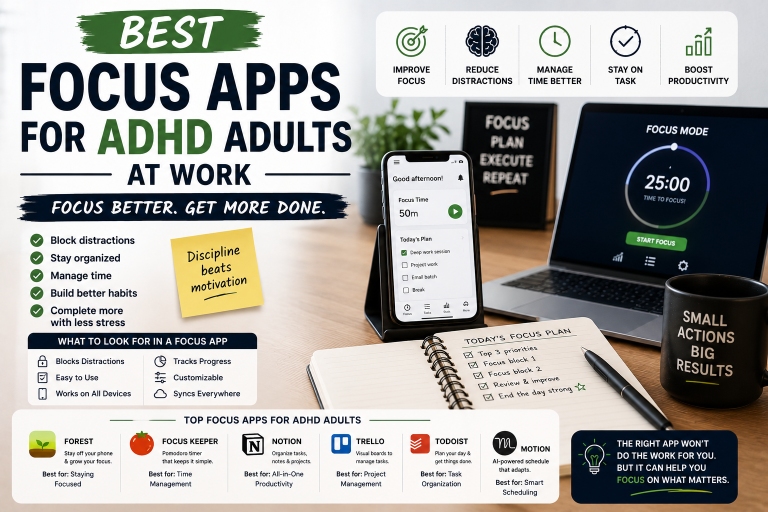
Todoist is one of the best digital task managers for ADHD. It lets you star your daily priorities and hide everything else, and the satisfying checkmark when you complete a task gives your brain a small but real dopamine hit.

If you prefer pen and paper, the Leuchtturm1917 Bullet Journal is the go-to physical system for a clean, minimal daily task list with no overwhelming pre-printed structure.
Step 5: Use External Cues to Replace Internal Reminders
The ADHD brain cannot rely on itself to remember what comes next. That’s not a character flaw, it’s just how the wiring works. The solution is to outsource your memory to your environment.
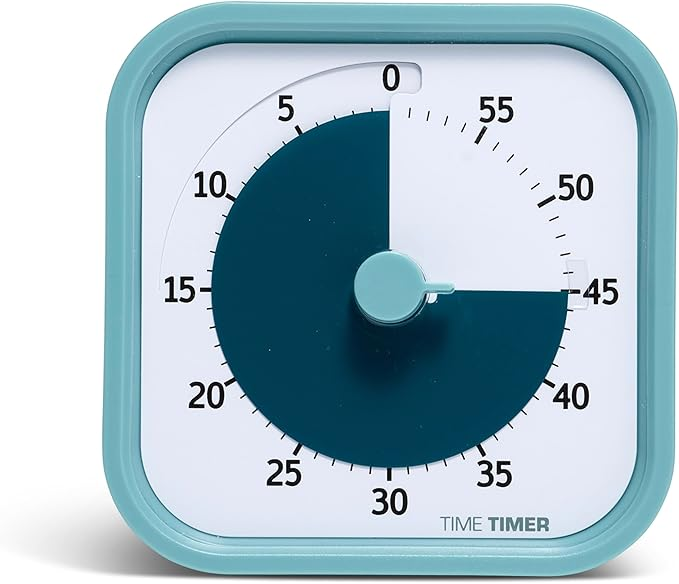
The Time Timer MOD is the gold standard visual timer in the ADHD community. It shows time disappearing as a shrinking red disk rather than counting numbers on a screen. For a brain that can’t feel time passing, seeing it visually drain away is a genuine revelation.
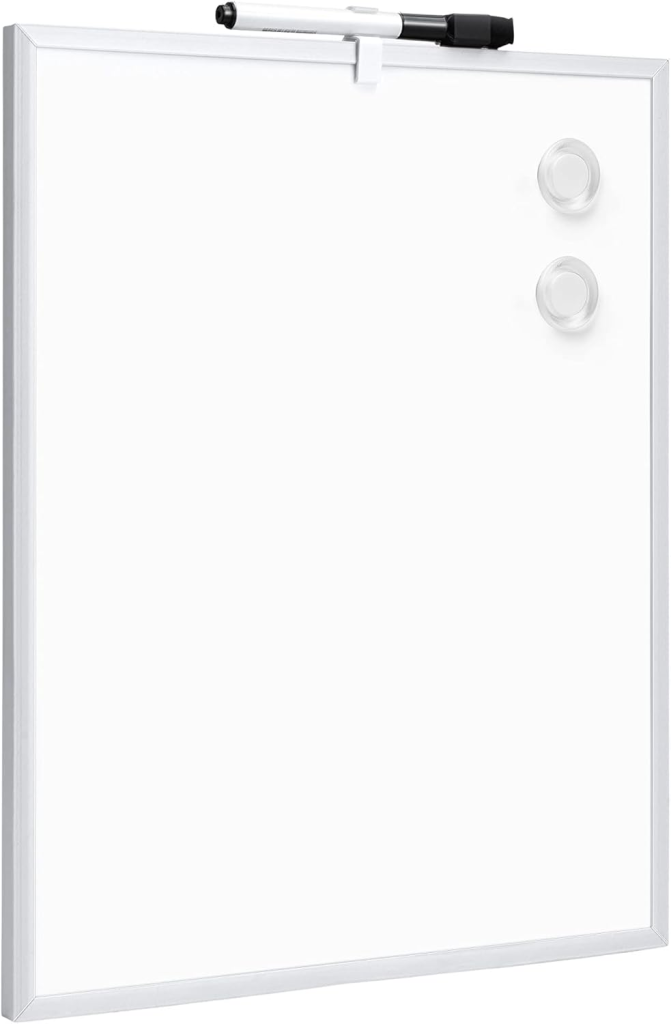
For your workspace, a large dry-erase whiteboard mounted at eye level, with your three daily tasks written in big, bold letters, gives you a physical anchor that’s impossible to minimize or close the way a phone app can be. The U Brands Magnetic Dry Erase Board is a popular, affordable option.
Combine both. The timer keeps you aware of time. The whiteboard keeps you aware of priorities. Together, they do the job your working memory can’t always handle on its own.
Step 6: Add Body Doubling or Accountability Anchors
One of the most underrated tools for ADHD productivity is body doubling, the phenomenon where your brain performs significantly better when another person is present, even if they’re not involved in your work at all.
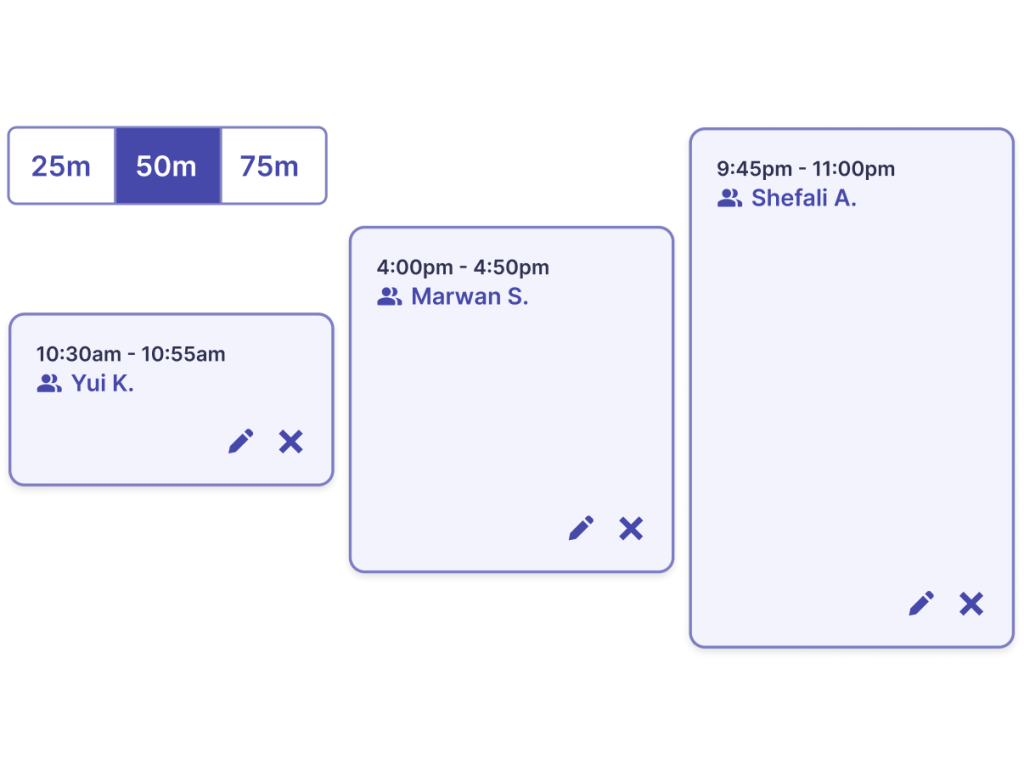
Focusmate is the best platform for virtual body doubling. You book 50-minute co-working sessions with a real person over video, state your task at the start, work silently, and check in at the end. It’s free to start and remarkably effective.

For a more structured accountability system, Complice is a goal-tracking and daily intention-setting app built around accountability partnerships. You log intentions each morning and results each evening, and pair with a partner who keeps you honest.
Step 7: Design a Consistent Morning Launch Sequence
Mornings are where ADHD schedules most often get derailed. Without a clear launch sequence, decision fatigue hits before the day even starts, and suddenly an hour is gone before you’ve done anything meaningful.
A morning launch sequence is a short, fixed ritual that happens the same way every day and ends with you at your workspace and ready to begin. Something like:
- Wake up and drink a full glass of water
- Take medication if applicable
- 5-minute walk or stretch
- Review your three tasks for the day
- Start your first time block

The Hatch Restore 2 smart alarm clock is a favorite in the ADHD community for making mornings less brutal. It wakes you gradually with light and sound instead of a jarring alarm, which reduces the cortisol spike that can derail your nervous system right out of the gate.
A calmer wake-up leads to a smoother launch. And a smoother launch means your schedule actually gets used.
Step 8: Plan for Failure Before It Happens
Every schedule hits bumps. The difference between someone who recovers quickly and someone who abandons the whole day is having a reset plan ready before you need it.
Write down in advance: if you miss your morning block entirely, what’s the fallback? If you hyperfocus and lose two hours on one task, what’s the recovery move? Having the answer already decided removes the emotional spiral that often turns a small detour into a completely written-off day.
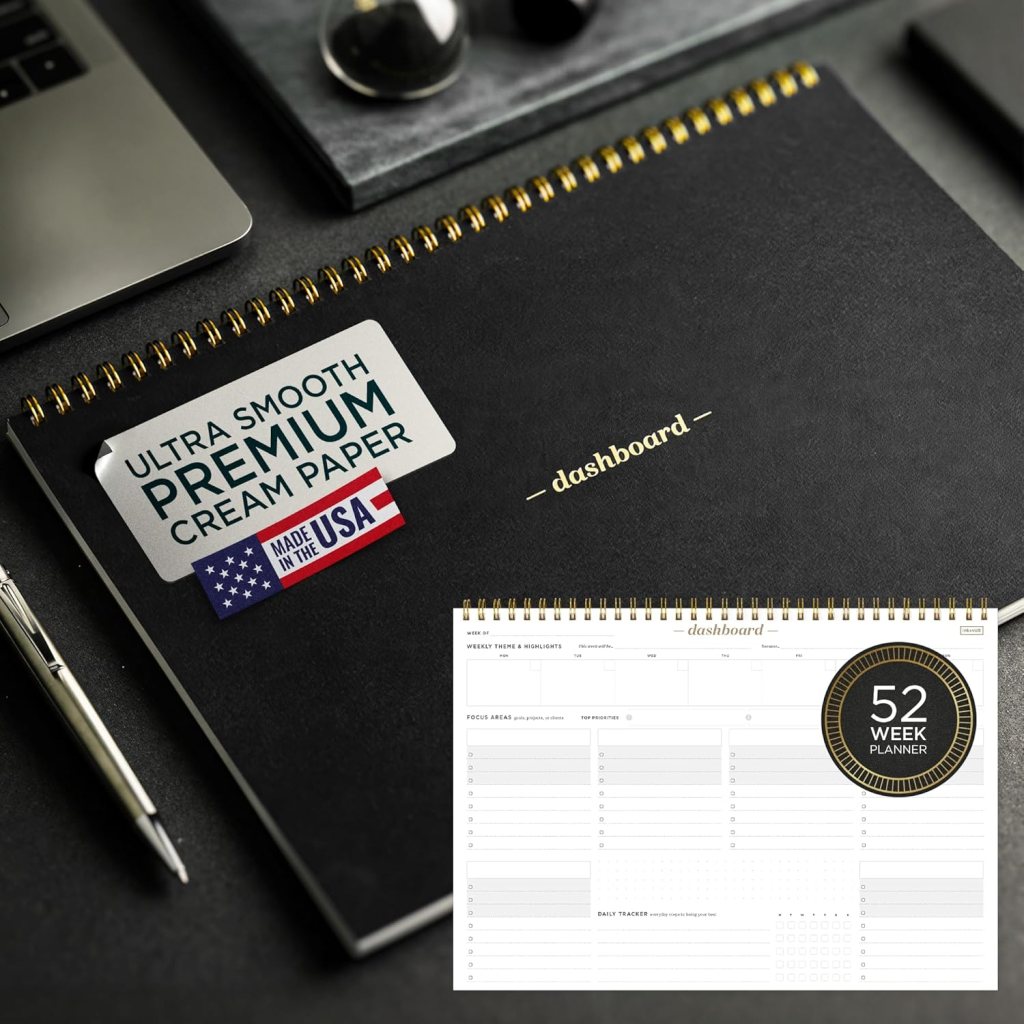
The Ink+Volt Goal Planner is designed with exactly this kind of intentional, reflective planning in mind. It includes weekly intention-setting and end-of-week review sections where you can document your reset plans and check in on what’s actually working.
Step 9: Review and Adjust Weekly — Not Daily
Reviewing your schedule every single day creates pressure and burnout. A weekly review is enough, and far more sustainable. Every Sunday (or whichever day precedes your work week), spend 10 minutes asking:
- What worked this week?
- What kept getting skipped?
- What one thing will I adjust for next week?
Notion is one of the most powerful tools for this. You can build a simple weekly review template that takes 10 minutes and tracks your patterns over months.

If Notion feels too complex to start, the Five Minute Journal gives you a guided daily and weekly reflection format that’s short enough to actually stick with.
The more data you collect on yourself, the smarter your schedule becomes. This is how it goes from generic to genuinely yours.
Common Mistakes to Avoid
1. Making the schedule too detailed. Scheduling every 30 minutes creates a minefield of failure. The more granular the schedule, the more chances it has to fall apart. Broad blocks beat micro-management every time.
2. Planning for your “best self,” not your real self. A schedule built for your ideal, fully-energized, nothing-going-wrong self is a schedule that won’t survive contact with actual life. Build in messiness, buffer time, and grace from the start.
3. Skipping the visual cues. Reading your schedule once in the morning and hoping you’ll remember it doesn’t work with ADHD. Your schedule needs to be visible, audible, or both throughout the day.
4. Not accounting for task initiation. The hardest part of any task for most people with ADHD is starting. If your schedule doesn’t include a ritual or trigger to begin each block, starting will always feel like pushing a boulder uphill. Pair each block with a sensory cue, a playlist, a scent, a specific desk setup, that signals “it’s time.”
5. Quitting the whole schedule when one day fails. One bad day is data, not a verdict. The biggest threat to any ADHD schedule isn’t the hard days, it’s interpreting them as proof that you’ll never be able to follow a routine. You can. You just have to get back on the horse the next morning, no guilt required.
FAQ: Daily Schedule for ADHD
Q: What is the best daily routine for someone with ADHD? The best routine is one built around your personal energy peaks, uses broad time blocks instead of rigid time slots, and includes external cues like alarms and visual timers. There is no universal “best” — the best one is the one you can actually follow.
Q: How do I stop abandoning my schedule after a few days? Start smaller than you think you need to. Most people over-engineer their first ADHD schedule and burn out on the complexity. A two-block day with three tasks is a success. Build from there.
Q: Should someone with ADHD use a planner or an app? It depends on your preference. Apps like Todoist offer reminders and dopamine hits when you check things off. Physical planners give you a tactile, distraction-free experience. Many people with ADHD swear by combining both — an app for reminders and a notebook for daily planning.
Q: How do I handle days when I completely can’t focus? Accept the low-focus day early and adjust. Swap deep work tasks for lighter ones. Use body doubling or the Pomodoro technique to get small wins. On truly dysregulated days, “maintenance mode” — just showing up and doing the minimum — is a genuine success worth celebrating.
Q: Is time blocking good for ADHD? Yes — when done in broad strokes. Over-detailed time blocking can backfire. But loose, flexible time blocks that hold space for a type of work (rather than a specific task at a specific minute) give ADHD brains structure without suffocation.
Final Thoughts
Building a daily schedule that works for ADHD isn’t about squeezing yourself into a neurotypical system. It’s about designing a structure that works with your brain instead of against it.
The schedule you need probably looks different from what you were taught a schedule should look like. Fewer items. More transitions. Visual cues everywhere. Flexibility baked in. And a recovery plan for when things fall apart, because they will, and that’s completely okay.
Start with Step 1. Map your energy. From there, build one block at a time. Your goal for the first two weeks isn’t perfection, it’s just showing up and learning what your brain needs.
At VidaLit, that’s exactly what we’re here for. Every article, guide, and tool recommendation on this site is built around one idea: that productivity isn’t one-size-fits-all, and that people with ADHD deserve strategies designed for their actual brain, not someone else’s. If this guide helped you think differently about your day, explore the rest of VidaLit for more resources on focus, discipline, goal setting, and building habits that actually hold.
You already know something about yourself. Now you have a framework to build around it.
Ready to stop dreading your day and start building one that actually works? Bookmark this page, share it with someone who needs it, and come back to VidaLit whenever you need a reset — we’ll be here.