How to Overcome Time Blindness with ADHD: 9 Strategies To Consider
If you have ever wondered how to overcome time blindness with ADHD you are not alone — and you are not broken….
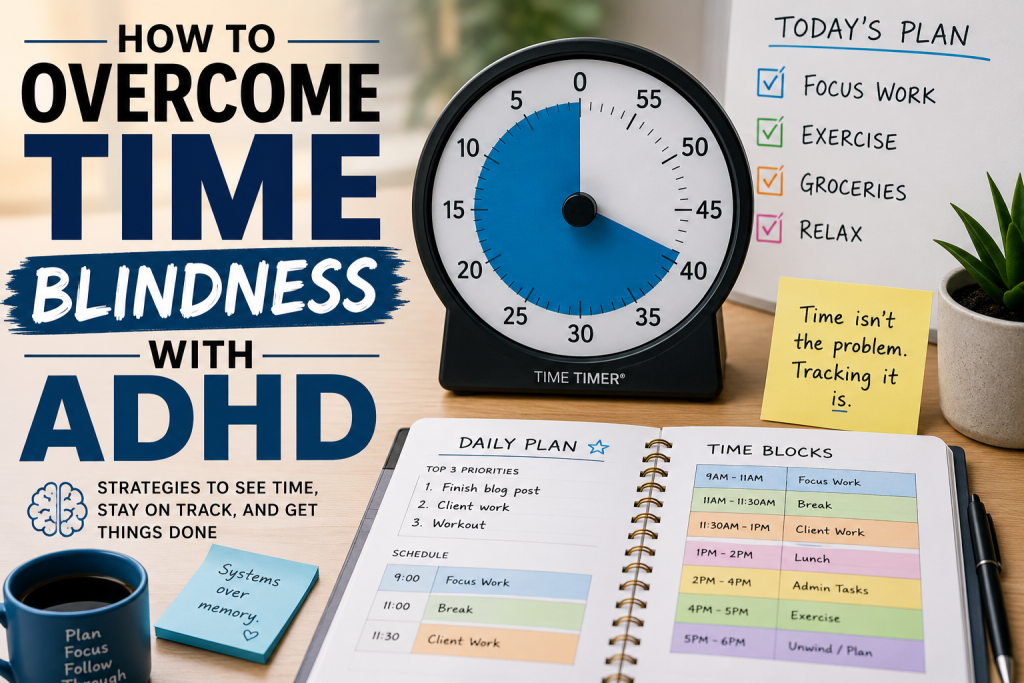
If you have ever wondered how to overcome time blindness with ADHD you are not alone — and you are not broken. You told yourself you had just five minutes before you needed to leave. Forty-five minutes later, you’re still in your pajamas, running late again, wondering how time slipped away so completely. That’s not laziness. That’s time blindness, and if you have ADHD, it’s one of the most misunderstood challenges you face every single day.
Time blindness isn’t a willpower problem. It’s a neurological one. The ADHD brain struggles to perceive the passage of time the way other brains do. For most people, time exists as a long, continuous ribbon of “now, soon, and later.” For you? It’s often just “now” and “not now.” Everything that isn’t happening in front of your face feels equally distant, whether it’s in ten minutes or ten days.
The good news is that you can learn to overcome time blindness with ADHD. It requires the right tools and strategies, not more effort or self-discipline. This guide walks you through exactly what works, practically, realistically, and without making you feel bad about yourself.
Why This Matters for ADHD
Time blindness is a core symptom of ADHD, rooted in differences in the prefrontal cortex, the part of your brain that is responsible for executive function, planning, and self-regulation.
When your brain doesn’t naturally track the passage of time, everything becomes harder: appointments, deadlines, relationships, and even your sense of self-worth. Chronic lateness and missed deadlines aren’t character flaws, they’re symptoms. But left unaddressed, they can cost you jobs, friendships, and a lot of unnecessary shame.
The strategies below work because they externalize time. Instead of relying on your brain to track it (which it isn’t wired to do reliably), they make time visible, audible, and concrete. That’s the key shift that changes everything.
9 Strategies to Overcome Time Blindness with ADHD
1. Make Time Visible With a Visual Timer
Your brain responds to things it can see. A visual timer, one that physically shows time draining away, is one of the single most effective tools for the ADHD brain.
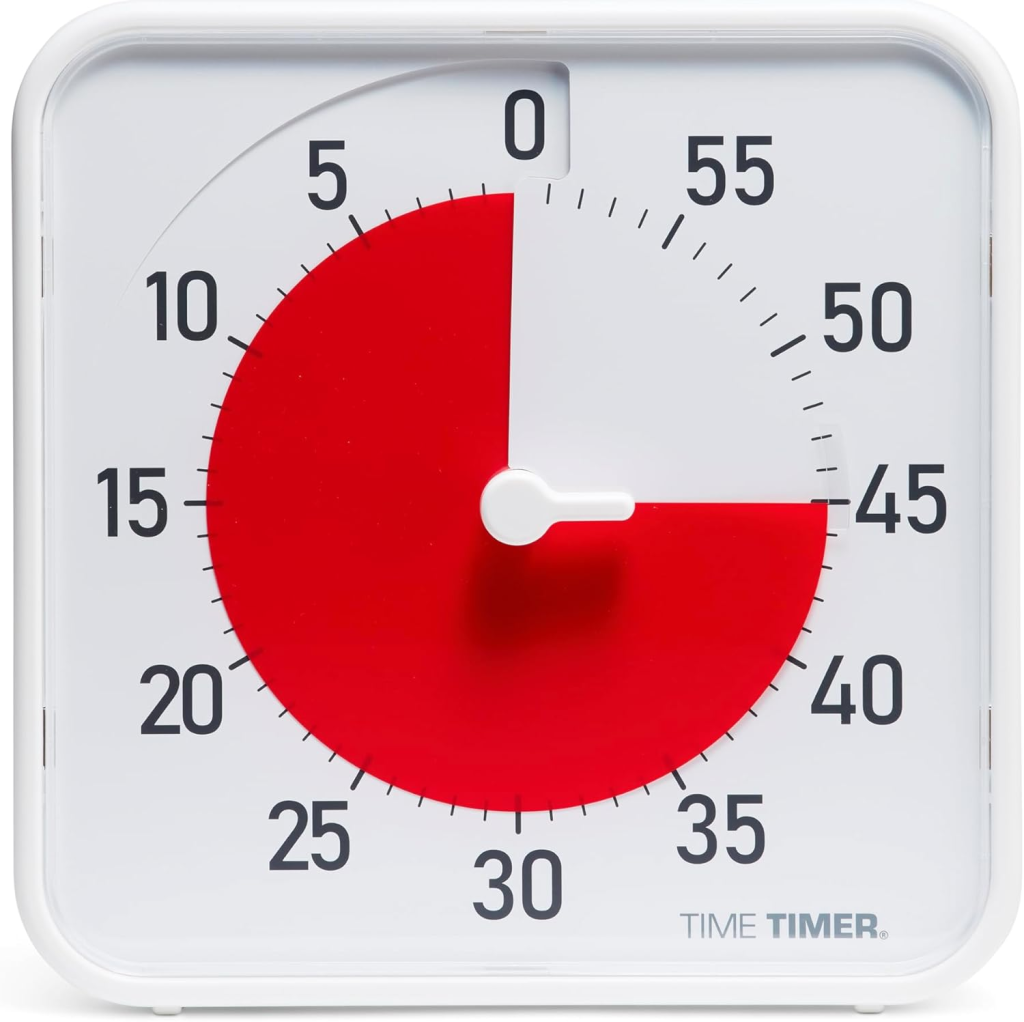
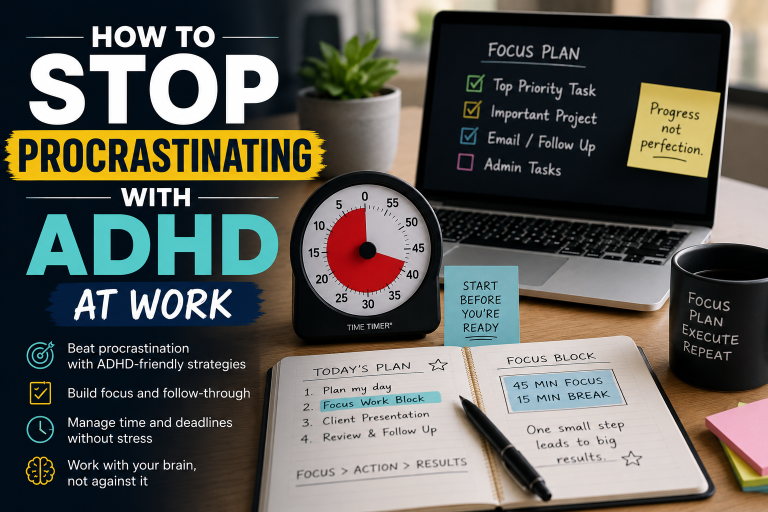
The Time Timer is the gold standard. It shows a red disk shrinking in real time, so you can glance at it and instantly know how much time is left. No math, no guessing.
Put it on your desk while working, on the bathroom counter while getting ready, or on the kitchen table during mealtimes. The visual cue engages a part of your brain that the ticking clock on the wall simply doesn’t reach.
Why it works for ADHD: It transforms the abstract concept of “20 minutes” into something your brain can actually perceive and respond to.
2. Add Time Buffers and Then Double Them
ADHD brains are notoriously bad at estimating how long tasks will take. You think getting ready takes 15 minutes. It actually takes 37. Every time.
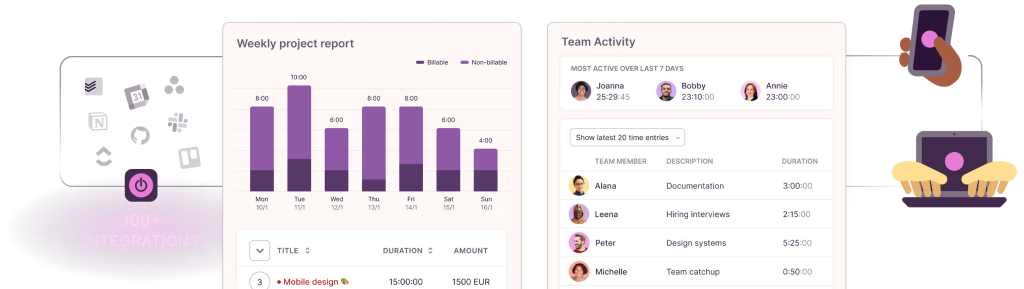
Start tracking how long common tasks actually take using a simple notepad or the Toggl Track app, a free time-tracking tool that runs in the background. After a week, you’ll have real data to work with instead of optimistic guesses.
Once you know your real time costs, build in a buffer, and then double it. If getting ready takes 37 minutes, schedule 75. It feels wasteful until you realize you’re actually arriving places on time for the first time in years.
Pro tip: Set your clocks and phone notifications 10 minutes ahead. Your brain will adjust quickly and those 10 minutes become a built-in cushion.
3. Use Alarms as Time Anchors, Not Just Wake-Up Calls
Most people use alarms once a day. You should use them every hour. Set recurring alarms throughout your day labeled with exactly what they mean: “Leave for school pickup in 30 min,” “Start winding down for bed,” or “Stop working and eat lunch.”
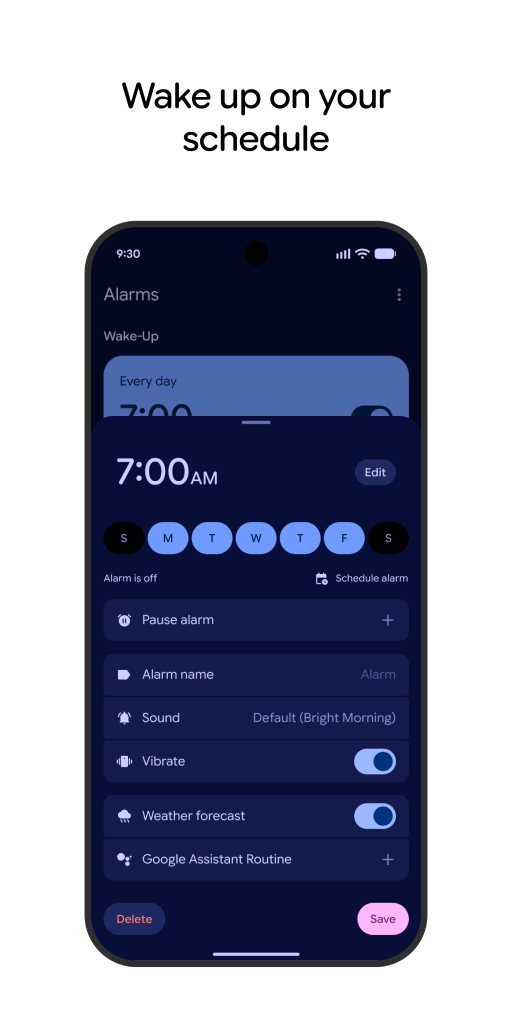
The Google Clock app (free, Android and iOS) or your phone’s native clock app both allow labeled, repeating alarms.

You can also use smart speakers like the Amazon Echo, just ask it to remind you to transition every 45 minutes and it becomes your personal, judgment-free time coach.
Why it works for ADHD: Alarms interrupt hyperfocus and force your brain to acknowledge time has passed. Without them, hours vanish inside a task you never meant to stay in that long.
4. Create “Time Landmarks” Throughout Your Day
A big block of unstructured time is your enemy. Without clear start and stop points, the ADHD brain has no anchor to orient itself. Break your day into structured “chunks” with defined transitions. Think of it like a train schedule, each segment has a clear departure and arrival. A loose structure might look like:
- 8:00 AM — Morning routine begins
- 9:00 AM — Work block 1
- 11:00 AM — Break + snack
- 11:15 AM — Work block 2
- 1:00 PM — Lunch (no screens)
You don’t have to follow this rigidly. The landmarks just give your brain something to bump against instead of free-floating through the day with no sense of where you are in time.
Write your daily schedule on a whiteboard or sticky note and put it somewhere you’ll see it constantly. Cozi Family Organizer is also a great app for building visible daily structures across a household.
Why it works for ADHD: The ADHD brain struggles to self-generate structure out of thin air. Predefined landmarks remove the mental effort of figuring out “what’s next” your day has a shape before it even starts.
5. Practice “Time Narration” to Build Awareness
This one feels a little odd at first, but it’s surprisingly powerful. Throughout the day, narrate time out loud or in your head.
“It’s 2:15. I need to leave by 3:00. That’s 45 minutes. I can finish this email in 10 minutes and still have time to get ready.”
You’re essentially coaching yourself through the process your brain skips automatically. This builds a habit of checking in with time rather than ignoring it entirely. Set a recurring phone reminder every hour that simply says: “What time is it? What do you need to do next?” That two-second pause rewires your relationship with time slowly but meaningfully.
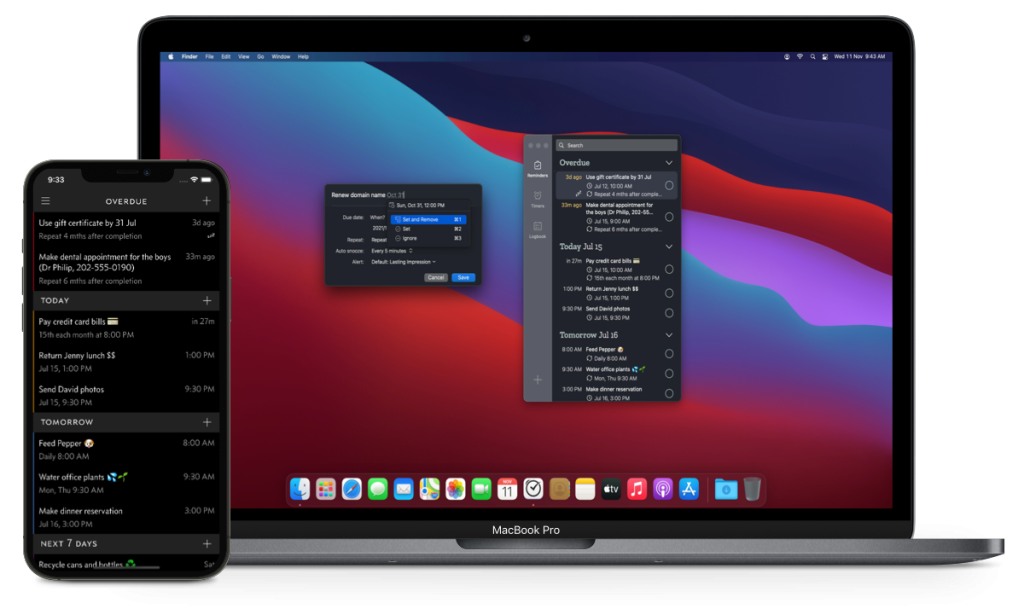
The Due App is perfect for this, it sends relentless recurring reminders that don’t go away until you acknowledge them. Set an hourly nudge that simply asks: “What time is it? What do you need to do next?”
Why it works for ADHD: The ADHD brain defaults to autopilot and loses track of time passively. Narration forces active, deliberate time awareness, turning a skill your brain skips into one you consciously practice until it becomes a habit.
6. Use a Physical Planner, Not Just a Digital One
Digital calendars are easy to ignore. Physical planners demand a different kind of attention. When you write something down by hand, you engage more of your brain in the process. You’re more likely to remember it, and more likely to check it again.
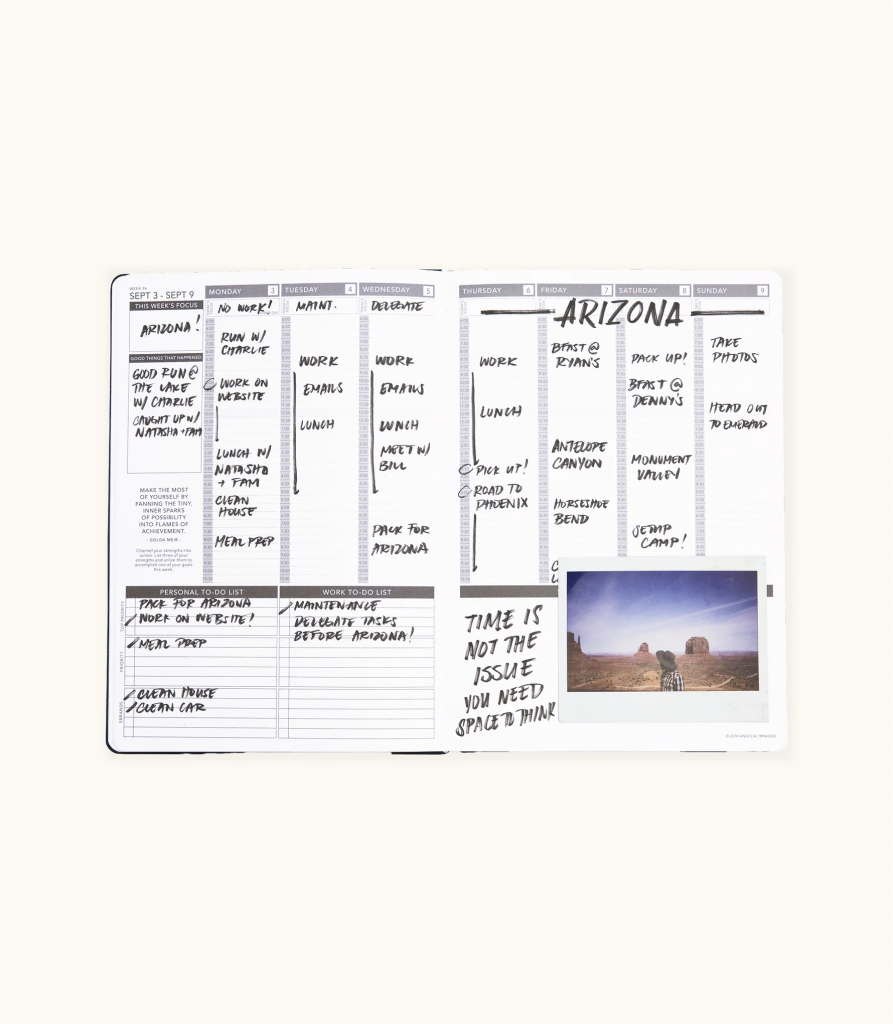
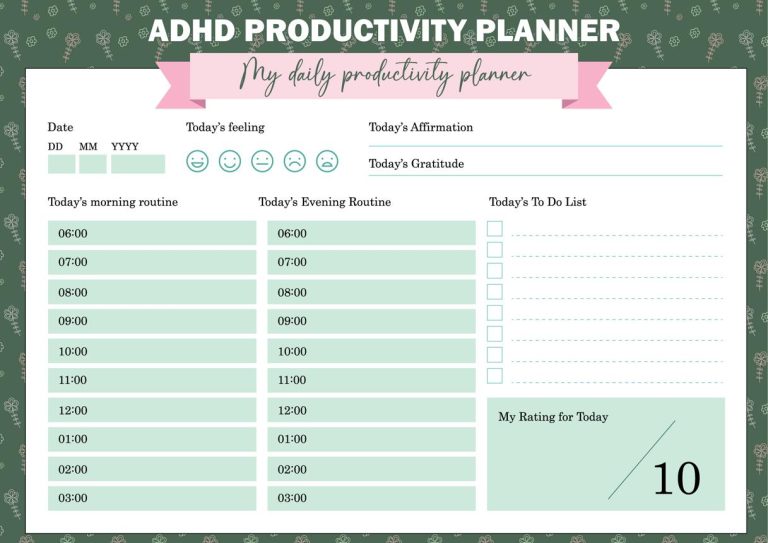
The Passion Planner is particularly well-suited to ADHD because it uses time blocks, not just to-do lists. You schedule tasks into specific hours, which forces you to confront how much time things actually take.
Use it alongside your digital calendar, not instead of it. The digital calendar sends you notifications. The physical planner keeps you grounded.
Key habit: Every evening, spend five minutes reviewing the next day. This primes your brain overnight so you wake up with a sense of what’s coming rather than a blank fog.
Why it works for ADHD: Writing by hand slows you down enough to actually process what you’re scheduling. It also creates a tangible artifact you’re more likely to reference, unlike a digital calendar you can easily swipe away and forget.
7. Batch Your Transitions
Transitions are brutal for ADHD. Stopping one thing, starting another, remembering what comes next, each switch costs you mental energy and time. The fix is to reduce how many transitions you have. Batch similar tasks together so you don’t have to keep changing gears.
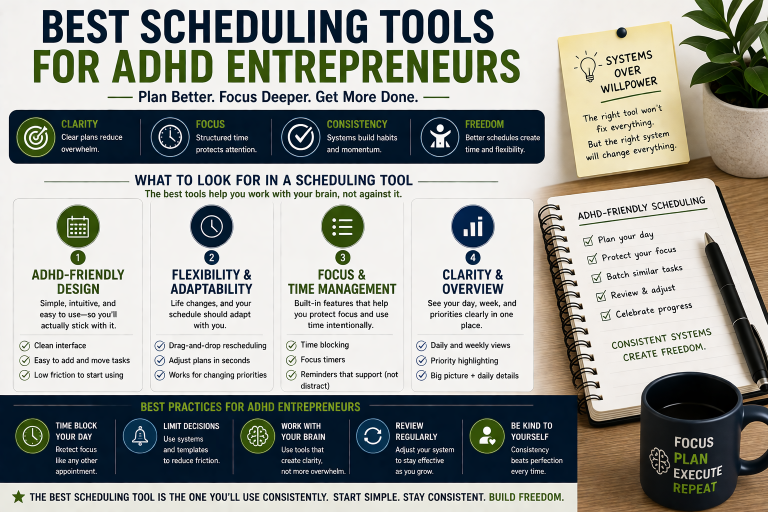
Instead of answering one email, working for 30 minutes, answering another email, and then making a call, do all your emails at once, all your calls together, all your deep work in one block.
This is sometimes called “time blocking,” and it’s one of the most effective productivity strategies for ADHD specifically because it minimizes the cognitive load of switching contexts.
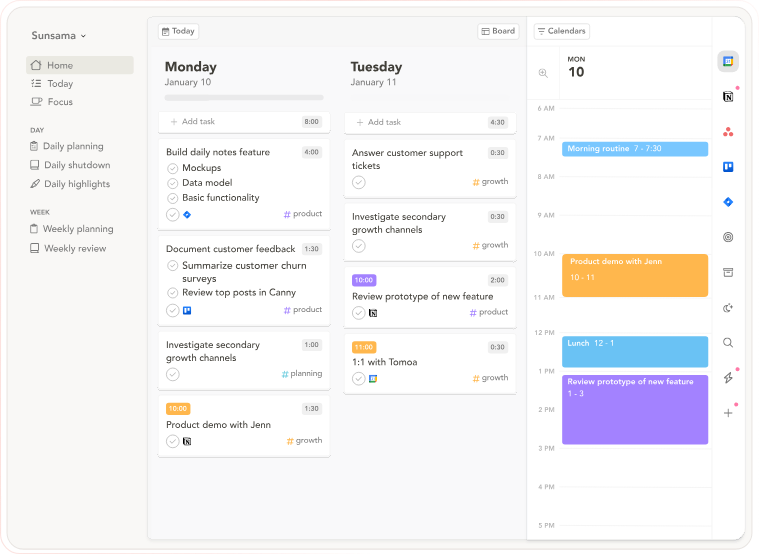
The Sunsama daily planner app is designed around this concept and pulls tasks from tools like Asana, Google Calendar, and Todoist into a single daily view.
Why it works for ADHD: Every transition is a moment where the ADHD brain can get derailed, distracted, or simply forget what it was doing. Fewer transitions means fewer opportunities to lose time between tasks.
8. Set “Pre-Departure” Routines for Anywhere You Need to Be
Lateness is one of the most painful symptoms of time blindness. It damages relationships and self-esteem over time, even when you know you’re doing your best. Build a “launch pad” routine, a fixed sequence of steps you go through before leaving the house. Post it as a checklist by your front door:
- Shoes on ✓
- Phone charged ✓
- Keys in hand ✓
- Bag packed ✓
- Alarm set for return ✓
The sequence should start earlier than you think you need. If you need to leave at 9:00, your pre-departure routine starts at 8:30. Non-negotiable. Pair this with a leaving alarm, not a “time to go” alarm, but a “time to START leaving” alarm. That 15-minute gap is where ADHD brains lose the most time.
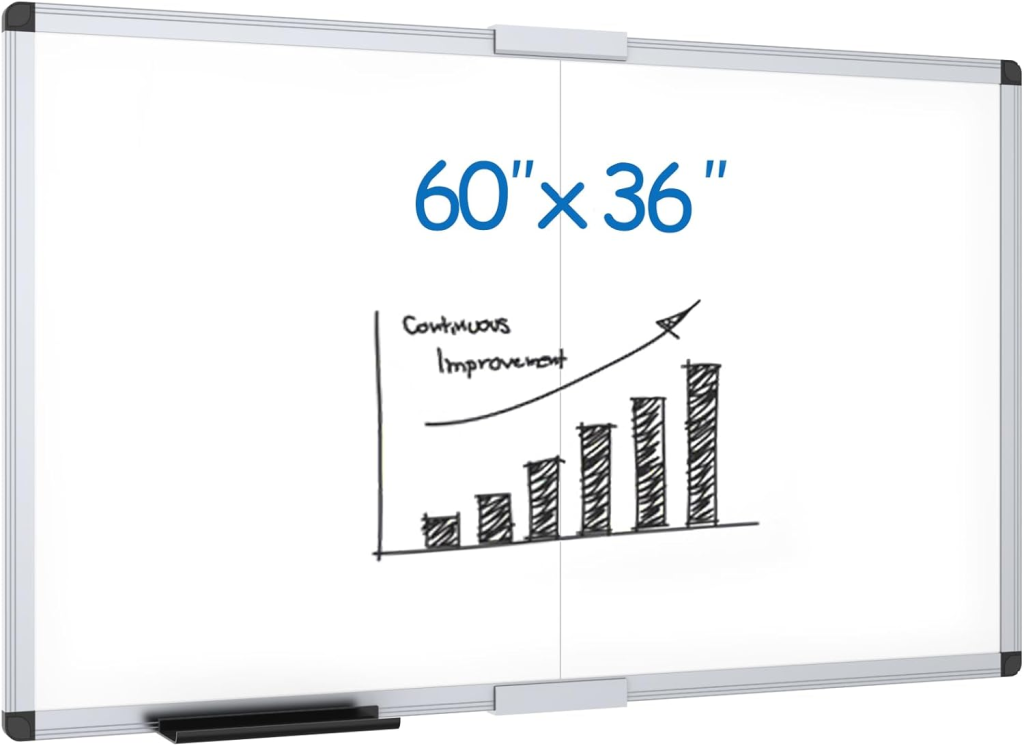
A magnetic dry-erase checklist board mounted by your front door is ideal for your launch pad routine, it’s visible, reusable, and impossible to swipe away like a phone notification. Write your fixed sequence on it and check each item off every single time you leave.
Why it works for ADHD: Routines reduce the number of decisions your brain has to make under time pressure. A scripted sequence bypasses the ADHD tendency to think “I’ll just do one more thing” before walking out the door.
9. Be Honest With Yourself About Hyperfocus Traps
Hyperfocus is both a superpower and a time blindness accelerant. When you’re locked in, hours disappear. You meant to work on that project for 30 minutes and suddenly it’s dark outside.
Build containment strategies for hyperfocus:
- Use a physical kitchen timer to set hard stops.
- Tell someone in your household when you’re starting a focus session so they can check on you.
- Remove or silence your phone during focus blocks but set a loud alarm to pull you out.
- Keep your scheduled structure in view even when you’re deep in work.
The goal isn’t to eliminate hyperfocus, it’s one of the best things about the ADHD brain. The goal is to make sure it happens inside a container with a clear exit door.
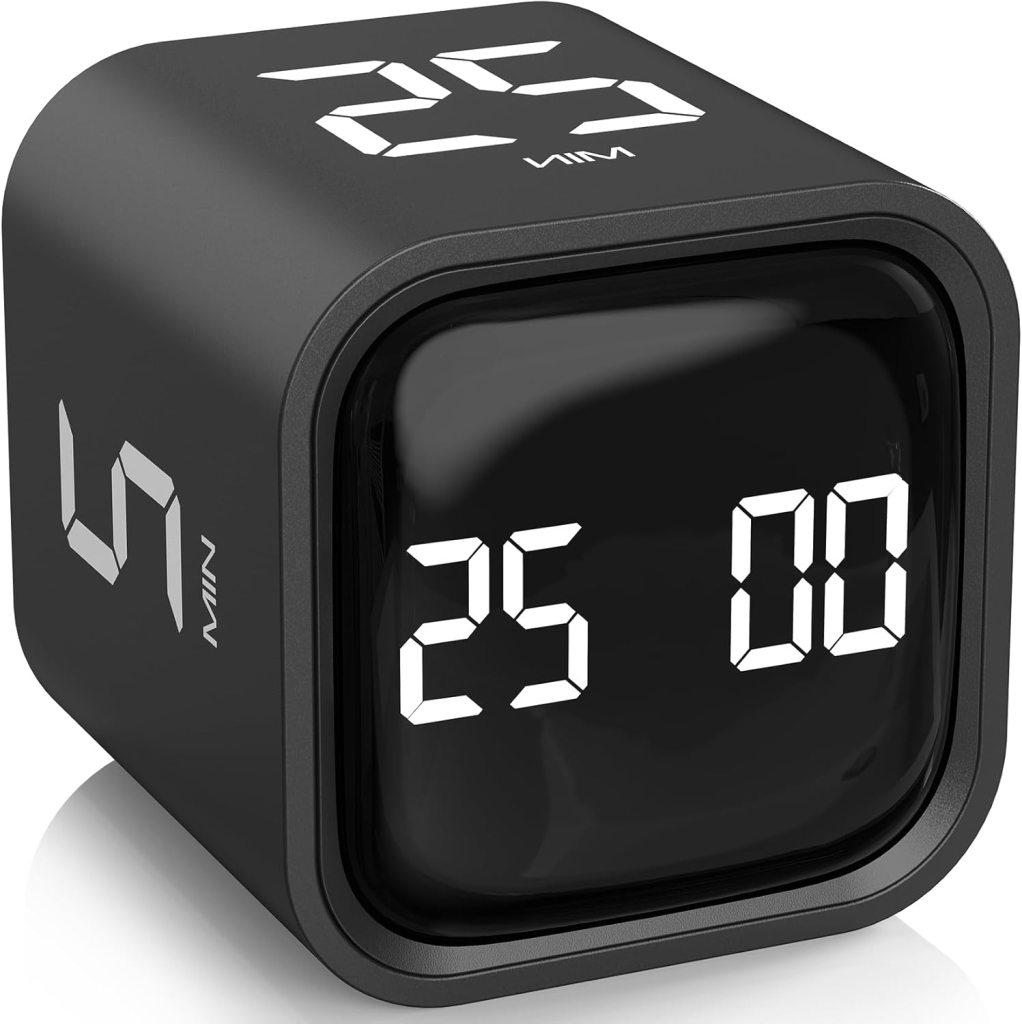
The Time Cube Timer a simple physical cube you flip to set 5, 10, 20, or 30-minute intervals. It’s tactile, has no screen to distract you, and its ticking creates an audible time pressure that pulls you out of hyperfocus without needing your phone nearby.
Why it works for ADHD: Hyperfocus suspends your brain’s already weak sense of time almost entirely. External hard stops are the only reliable way to interrupt it, your internal clock won’t do it for you.
Common Mistakes to Avoid
1. Relying purely on memory. Your brain was not designed to track time reliably with ADHD. Stop expecting it to. Externalize everything, timers, alarms, written schedules.
2. Setting only one alarm. One alarm is easy to dismiss. Set a series, a warning alarm, a “this is serious” alarm, and a final alarm. Layer your reminders.
3. Scheduling too tightly. Back-to-back tasks with no buffer is a setup for failure. Build in 10–15 minute transitions between everything. Give yourself room to be human.
4. Beating yourself up after setbacks. Time blindness is neurological. Some days will fall apart anyway. Shame doesn’t make you more punctual, it just makes you more miserable. Reset and try again.
5. Waiting until you “feel ready” to start a system. ADHD brains resist starting new routines. Pick one strategy from this list and start it today, imperfectly. Don’t wait for the perfect moment to get organized. It won’t come.
FAQ
Q: Is time blindness a real ADHD symptom, or just an excuse? A: It’s absolutely real. Dr. Russell Barkley, one of the world’s leading ADHD researchers, has called time blindness one of the most defining and impairing symptoms of ADHD. It’s rooted in differences in how the ADHD brain processes and perceives time — not a character flaw or lack of motivation.
Q: What is the single best tool to overcome time blindness with ADHD? A: If you’re only going to try one thing, get a visual timer like the Time Timer. Making time visible rather than abstract is the most powerful shift you can make for an ADHD brain.
Q: Can medication help with time blindness? A: ADHD medication can improve executive function broadly, which may help with time awareness. But medication alone rarely resolves time blindness completely. A combination of medication (if prescribed) and external tools and systems tends to work best. Always talk to your doctor about what’s right for you.
Q: How long does it take to build better time habits with ADHD? A: Be patient. Habits take longer to form for ADHD brains than neurotypical ones — often 6 to 12 weeks of consistent practice. Start with one or two strategies, get them solid, then layer in more. Small wins compound over time.
Q: What if I try these strategies and still struggle? A: You’re not failing — you’re learning. Consider working with an ADHD coach who can help you build personalized systems and hold you accountable. Many people also find that talking through challenges in ADHD-specific communities or with a therapist provides the support that systems alone can’t.
Final Thoughts
Overcoming time blindness with ADHD isn’t about trying harder or caring more. It’s about building external systems that do what your brain struggles to do on its own, track time, mark transitions, and keep you grounded in the present.
Start with one strategy. A visual timer on your desk. Labeled alarms on your phone. A nightly five-minute planner review. Pick the one that feels most doable and make it a non-negotiable part of your day.
And if you’re looking for more support beyond tools and routines, VidaLit is here for exactly that. Our content is built for ADHD brains — practical, honest, and designed to meet you where you are. Whether you need help with focus, productivity, relationships, or daily structure, you’ll find resources that speak your language and respect your challenges. No shame, no fluff, just strategies that work.
You are not broken. You just need a different kind of map.
Ready to take the next step? Explore more ADHD-friendly guides and product recommendations at vidalit.com — because you deserve tools that actually work for your brain.