How to Stop Procrastinating with ADHD at Work
If you are trying to figure out how to stop procrastinating with ADHD at work you are not alone. You know exactly…
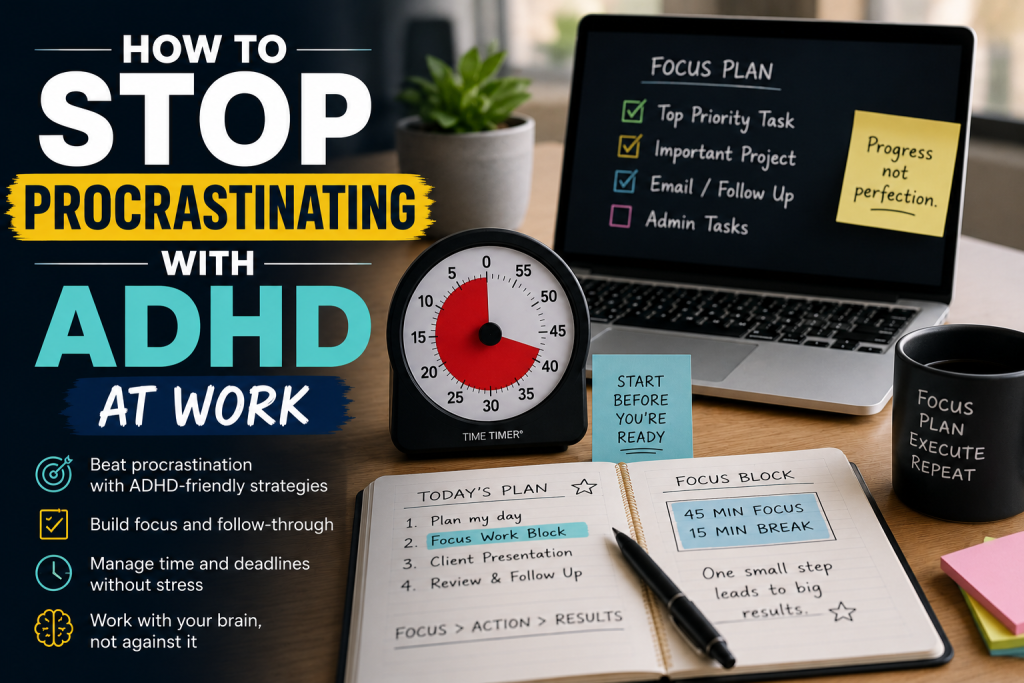
If you are trying to figure out how to stop procrastinating with ADHD at work you are not alone.
You know exactly what you need to do. The task is sitting right there. And yet, you can’t start. That’s not laziness. That’s ADHD.
The procrastination that comes with ADHD isn’t about being unmotivated or undisciplined. It’s neurological. Your brain has a harder time initiating tasks, regulating emotions around them, and sustaining focus once you do get going. Understanding that difference is the first step to actually fixing it.
The problem is that most productivity advice was designed for neurotypical brains. “Just make a to-do list.” “Set a timer.” “Break it into steps.” Cool. Except when every item on your to-do list feels equally urgent, the timer sends you into a panic, and “breaking it into steps” still leaves you staring at step one for 45 minutes, you need something different.
This guide gives you real, ADHD-tested strategies to stop procrastinating at work, not by fighting your brain, but by working with it.
Why This Matters for ADHD
Procrastination hits differently when you have ADHD. Here’s what’s actually happening.
Task initiation is a brain-based barrier. The prefrontal cortex is responsible for starting tasks, planning, and time management, but it functions differently in ADHD brains. It’s not a willpower issue. It’s a neurological one.
Emotional avoidance is a massive driver. Tasks that feel boring, overwhelming, confusing, or tied to past failure trigger an emotional response that your brain wants to escape. This is called Rejection Sensitive Dysphoria and task aversion, and it’s extremely common in people with ADHD.
Time blindness makes everything feel abstract. Deadlines don’t feel real until they’re right on top of you. That’s why urgency is often the only thing that gets the ADHD brain moving, which is unsustainable and exhausting.
The strategies below are specifically designed to address these three barriers. You don’t need to do all of them. Find two or three that click and build from there.
9 Strategies that Stop Procrastinating with ADHD at Work
1. Name the Real Reason You’re Avoiding It
Before you try to “push through,” pause and ask: Why am I actually avoiding this task? Is it boring? Overwhelming? Unclear? Does it carry the weight of a past failure?
Getting honest about the type of avoidance changes how you address it. A boring task needs novelty injected into it. An overwhelming task needs to be broken down. An unclear task needs a conversation or a decision made first.
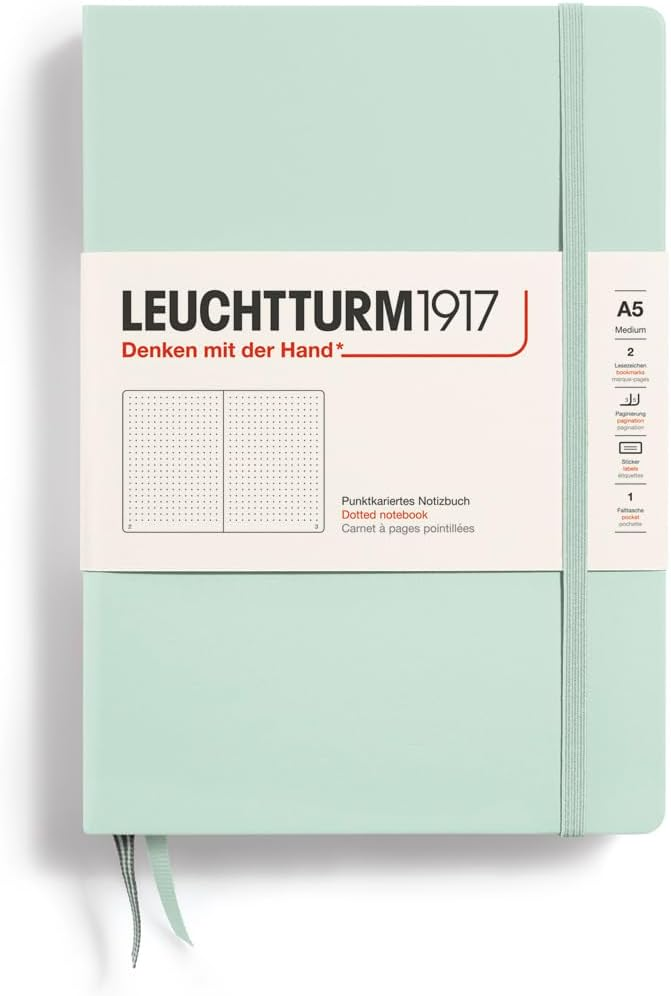
A simple journaling habit helps you get to the root faster. The Leuchtturm1917 Notebook is a favourite among ADHD adults for daily reflection, it’s structured enough to guide your thinking without being restrictive. Don’t skip this step. Naming the barrier takes 60 seconds and saves you hours of avoidance.
2. Use the “Just Two Minutes” Entry Point
The hardest part is starting. So make starting laughably small. Tell yourself you’re only going to work on the task for two minutes. Open the document. Write one sentence. Send one email. You’re not committing to finishing, you’re committing to touching it.
This works because ADHD brains often struggle with initiation, not continuation. Once you’ve started, momentum kicks in and you’ll frequently keep going well past the two minutes.

Pairing this habit with a tracker like Habitica, which gamifies your daily tasks with rewards and streaks, gives your brain the dopamine hit it needs to keep showing up.
3. Make the Invisible Deadline Feel Real
ADHD brains respond to urgency. If a deadline is three weeks away, it might as well not exist.
The fix is to create artificial urgency. Set a micro-deadline for today: “I will finish the first section by 11 a.m.” Tell a coworker, a body double, or an accountability partner what you’re working on and when you’ll be done. Social commitment activates a completely different part of your brain.
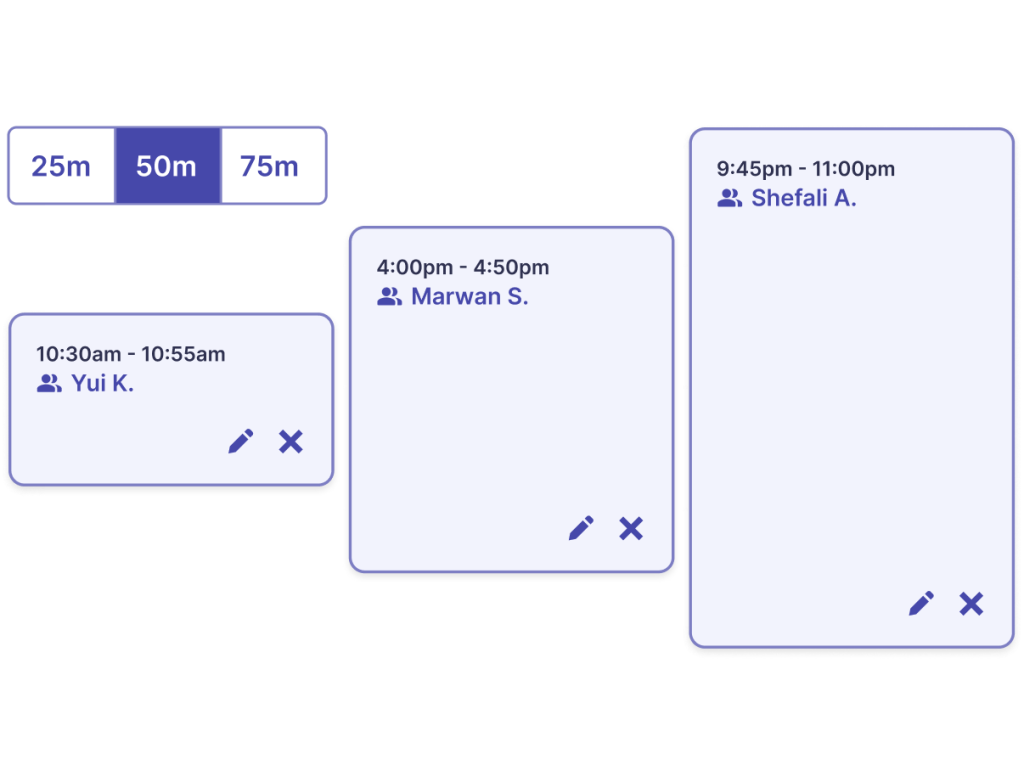
Tools like Focusmate pair you with a real human for virtual co-working sessions, the presence of another person working alongside you is remarkably effective for ADHD task initiation.
4. Do a Brain Dump Before You Start
If you’re paralyzed because everything feels equally important, your brain is in overwhelming mode.
Grab a piece of paper or open a notes app and dump every single thing you’re thinking about, every task, worry, distraction, and half-formed idea. Get it out of your head. This isn’t about organizing yet. It’s about clearing the RAM so you can focus on one thing.
Notion is a great digital option for brain dumps, you can capture everything chaotically, then sort it later.
If you prefer pen and paper, a large Quartet Whiteboard mounted at your desk gives you a low-friction space to offload your mind without hunting for a notebook. After the dump, choose ONE task for the next work block. Not three. One.
5. Design Your Environment to Trigger Focus
Your environment sends signals to your brain. If your desk is chaotic, your phone is face-up, and you have 14 browser tabs open, your brain is getting constant “stay distracted” cues.
Before you start work, do a 5-minute environment reset. Clear your desk of everything not related to the task. Put your phone in another room or in a drawer, not just face-down.
Use a browser extension like Cold Turkey to block social media and time-wasting sites. Put on noise-canceling headphones with instrumental music or brown noise.

The Loop Earplugs are a popular, affordable option for ADHD folks who find their environment constantly pulling their attention. Creating a predictable sensory environment helps your brain settle into focus faster.
6. Work in Sprints, Not Marathons
Trying to work for two hours straight is a setup for failure with ADHD. Your focus naturally wanes, you drift, and then the shame of drifting makes it harder to come back.
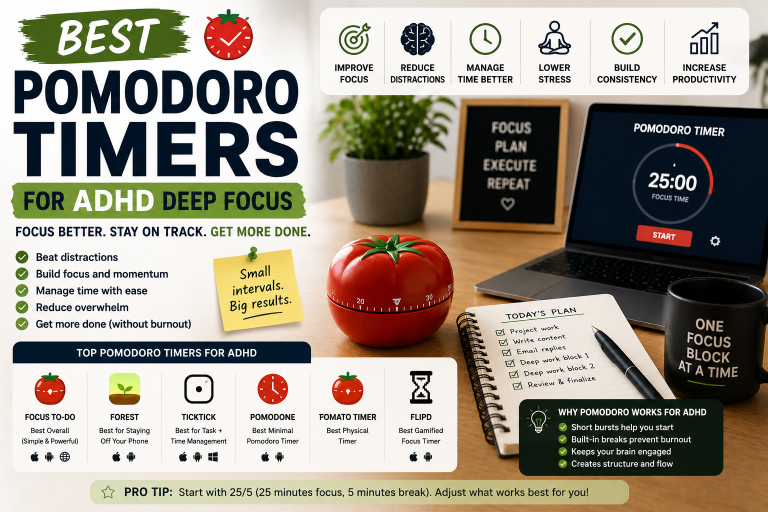
Instead, work in short, intentional sprints. The Pomodoro Technique, 25 minutes of focused work followed by a 5-minute break is a classic for a reason. But if 25 minutes is too long at first, start with 15 or even 10.
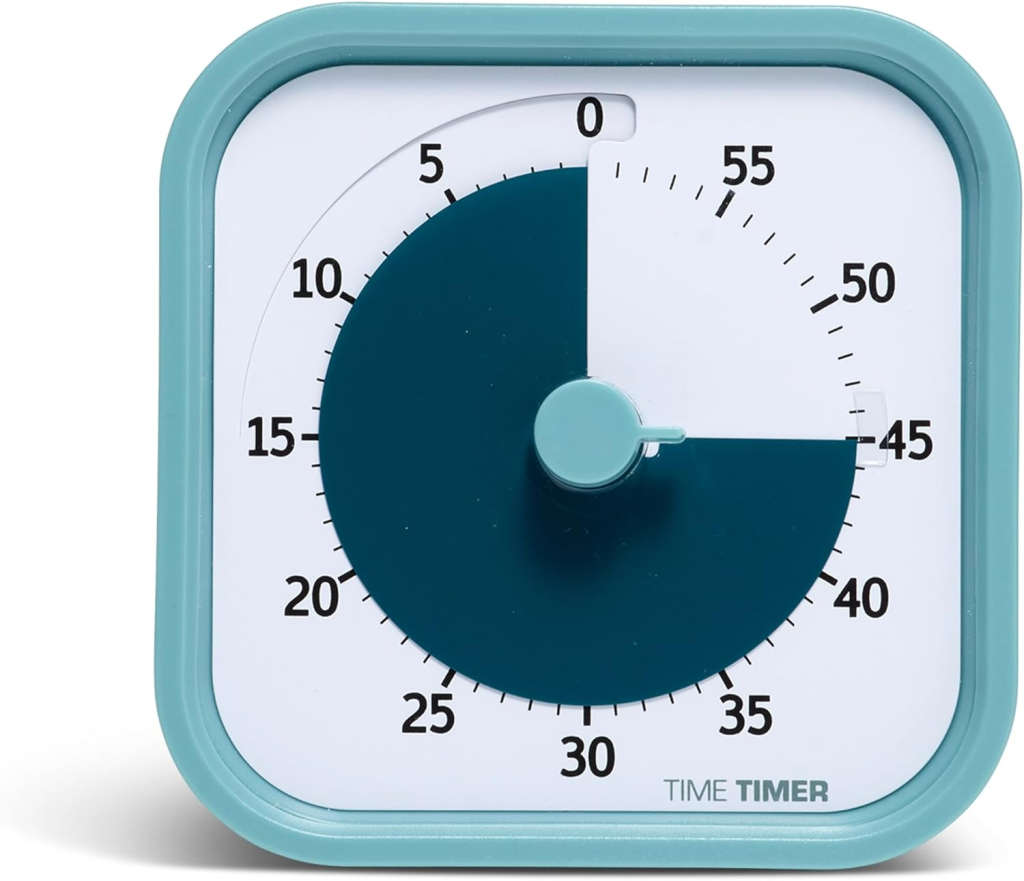
The Time Timer is a visual countdown clock that makes time feel concrete and visible — crucial for ADHD time blindness. Watching the red disk shrink creates a gentle sense of urgency without the anxiety of a loud alarm.
For digital alternatives, apps like Tiimo gamify your focus sessions, which adds the novelty and reward that ADHD brains crave.
7. Lower the “Good Enough” Bar to Get Moving
Perfectionism and ADHD are a brutal combination. The task feels so important that you need to do it perfectly, and the fear of doing it imperfectly keeps you from doing it at all.
Give yourself explicit permission to do it badly first. Write the terrible first draft. Send the imperfect email. Make a messy outline. Done is infinitely better than the perfect version that lives in your head while the deadline passes.
If perfectionism stalls your writing tasks specifically, iA Writer is a distraction-free writing app that strips away all formatting and options, leaving you with just a blank page and your words. No fiddling with fonts. No visual clutter. Just getting it out. A sticky note on your monitor with the words “GOOD ENOUGH IS DONE” doesn’t hurt either.
8. Use Body Doubling
Body doubling is the practice of working in the presence of another person, even if they’re doing something completely different.
It’s one of the most consistently effective strategies for ADHD procrastination. Researchers believe it works because the presence of another person activates social awareness circuits in the brain, which helps with focus and follow-through.
Your options: work from a coffee shop or library, ask a colleague to sit on a Zoom call while you both work silently, or join an online co-working community, many ADHD communities on Discord run regular virtual work sessions.
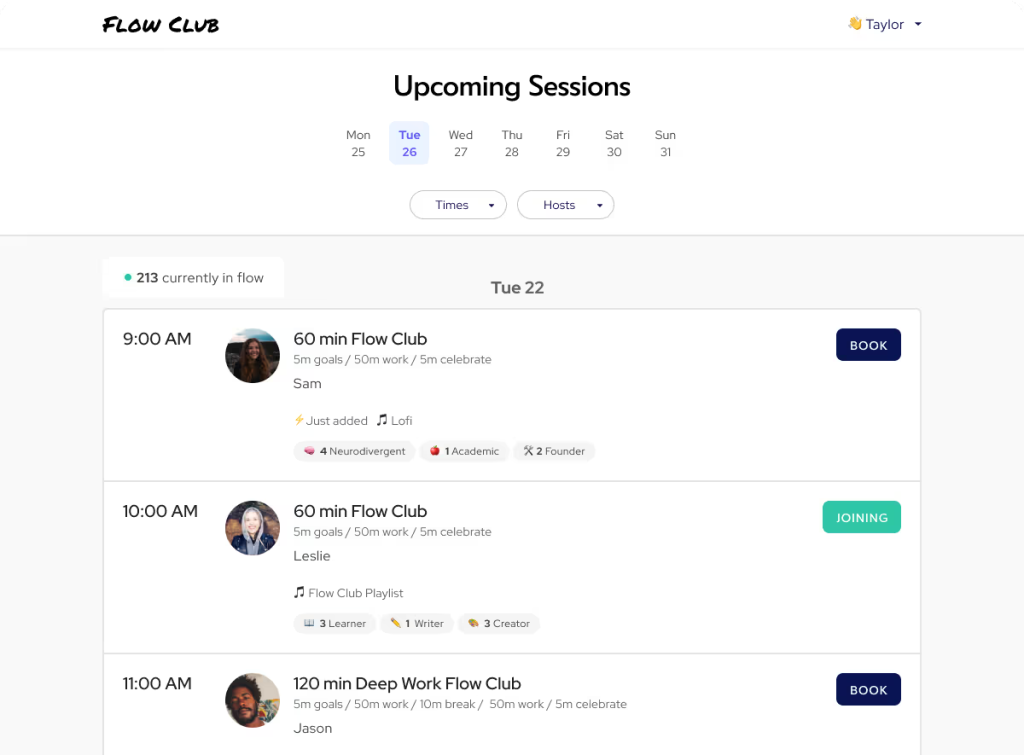
If you want a dedicated space for this, Flow Club is a body doubling platform built specifically for focus sessions, with scheduled work rooms you can drop into throughout the day, no partner matching needed, just show up and get to work.
9. Build a “Shutdown Ritual” to Reduce Next-Day Dread
A huge source of ADHD procrastination isn’t just about today’s tasks, it’s anticipatory dread about tomorrow’s. You avoid starting because you’re already overwhelmed thinking about everything that’s coming.
At the end of each workday, spend five minutes doing a shutdown ritual. Write down where you left off on each active project. Identify the ONE most important task for tomorrow morning. Clear your desk and close all tabs.
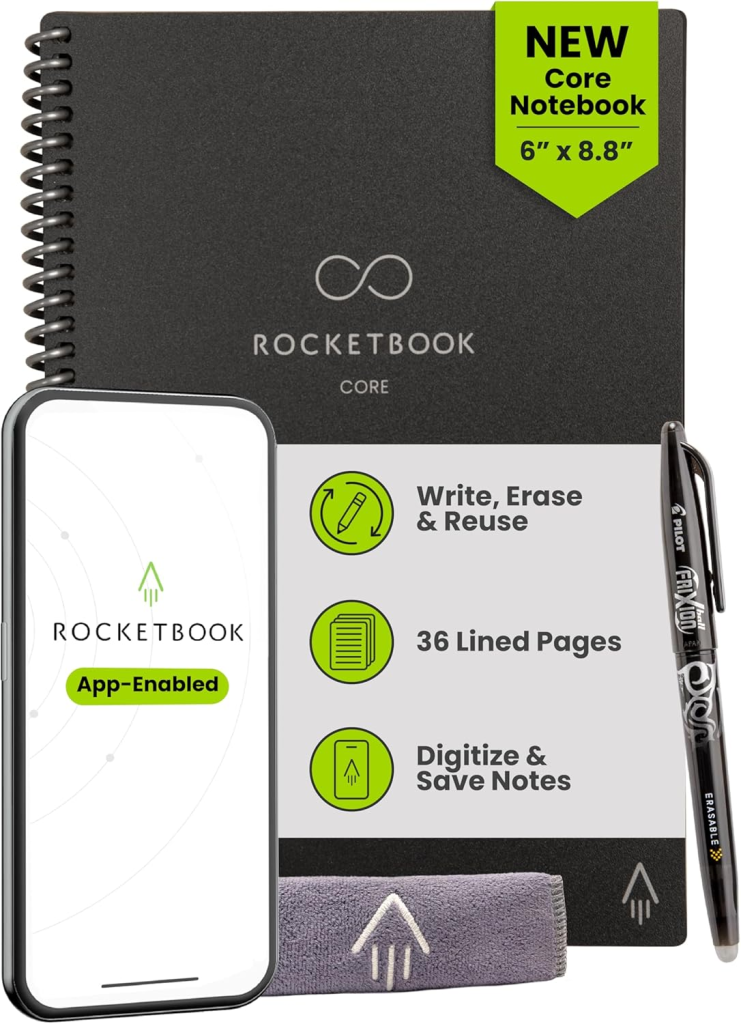
This offloads the mental burden from your brain to the page. When tomorrow comes, you’re not starting from overwhelm, you’re starting from a clear, specific next action. The Rocketbook Reusable Notebook is great for this daily ritual, you can write, photograph, and erase, which keeps the tactile satisfaction of pen-and-paper without the clutter.
Common Mistakes to Avoid
1. Trying to fix everything at once. Picking nine new habits simultaneously is a recipe for burnout and shame. Pick one or two strategies, practice them for two weeks, then add more.
2. Using willpower as your primary tool. Willpower is unreliable for everyone and especially for ADHD brains. Systems, environments, and accountability are far more sustainable than raw discipline.
3. Mistaking planning for doing. Making detailed color-coded plans is a common ADHD procrastination trap. It feels productive but keeps you from the actual work. Plans should take minutes, not hours.
4. Waiting until you “feel ready.” With ADHD, the motivation to start almost never comes before starting — it comes after. You have to act first, then the feelings follow. Don’t wait for motivation. Create conditions for action instead.
5. Not addressing underlying emotional resistance. If you keep avoiding the same task repeatedly, there’s usually an emotional reason — fear, boredom, confusion, or resentment. Ignoring it and powering through works short-term but doesn’t solve the pattern. Take 60 seconds to name the feeling, then decide what to do about it.
FAQ
Q: Why is procrastination so much worse with ADHD than for other people? ADHD affects the executive functions responsible for task initiation, emotional regulation, and time perception. This means the brain genuinely has a harder time starting tasks, tolerating boredom, and feeling the urgency of distant deadlines — it’s not a character flaw.
Q: Will medication help me stop procrastinating with ADHD at work? For many people, ADHD medication significantly reduces procrastination by improving dopamine regulation and executive function. However, medication works best in combination with behavioral strategies and systems — it’s rarely a complete solution on its own.
Q: How do I stop procrastinating when I have too many tasks and don’t know where to start? Do a brain dump first — write everything down. Then identify just ONE task that is most important or most overdue. Commit to only that task for the next 25 minutes. Decision fatigue is a real procrastination trigger; removing choices helps.
Q: Is body doubling really effective for ADHD? Yes, it’s one of the most consistently reported strategies among adults with ADHD. The mechanism isn’t fully understood, but the social presence of another person appears to activate focus and reduce avoidance in ADHD brains. Many people find it works even over video calls.
Q: What’s the fastest way to break out of an ADHD procrastination spiral at work? The fastest reset is usually physical. Stand up, drink water, take a 5-minute walk outside if possible, then return and commit to just two minutes on the avoided task. Changing your physical state often breaks the mental loop faster than any mental technique.
Final Thoughts
Learning to stop procrastinating with ADHD at work is not about finding more willpower. It’s about building systems that match how your brain actually works.
Your brain needs external structure, clear entry points, real deadlines, novelty, and accountability. It doesn’t respond to shame, vague goals, or marathon work sessions. Once you stop fighting that and start designing your work life around it, everything changes.
Start with one strategy from this list. The “Just Two Minutes” entry point and body doubling tend to be the fastest wins for most people. Pick one, try it this week, and notice what shifts.
At VidaLit, we write for people who’ve tried the generic productivity advice and found it falling flat. Everything here is built around one belief: you’re not broken. Your brain just needs a different operating system. Browse the rest of the blog for more ADHD-friendly tools, routines, and strategies designed to actually work for the way you think.
You’ve got this, and we’ve got you.
Explore more ADHD productivity strategies, honest product reviews, and real-world systems at vidalit.com — built for brains like yours.